How to Choose Linen Bedding by Brand: A Practical Comparison of Naturepedic, Coyuchi, and St. Genève
Explore how leading brands shape linen bedding choices, from organic sourcing and certification to finish and care. This guide helps readers compare feel, durability, and care routines across Naturepedic, Coyuchi, and St. Genève.
Brand Foundations: Certifications, Sourcing, and the Invisible Luxuries
When you enter the world of linen bedding, you are not simply selecting fabric; you are choosing a philosophy. Naturepedic, Coyuchi, and St. Genève each offers a distinct lens on how linen is grown, harvested, processed, and finished. The subtle distinctions—not immediately visible on product pages—are the difference between a sheet that feels like a whispered confession of quality and one that registers as a loud promise of durability and responsibility.
Key considerations begin with certifications. GOTS (Global Organic Textile Standard) matters because it governs the entire lifecycle of the fiber—from organic farming to environmentally sensitive processing and ethical labor practices. A GOTS-certified linen product signals a commitment to sustainability that transcends marketing. Look for additional labels like Belgian Linen, which denotes origin and weaving standards, or the Belgian Linen label that attests to European flax and preserved textile heritage. These tiny emblems carry big weight in determining long-term performance and ecological impact.
Sourcing is another quiet luxury. Linen’s story travels from flax fields in France or Belgium to mills in Portugal or Italy, then to finishing houses across Europe. Each step influences texture, hand, and feel—stone-washed, garment-washed, or garment-washed-with-a-softened-hush. The narrative of origin is a promise of consistency and a cue to anticipate how the fabric will age with you.
Differences in Finish and Texture: Stone-Washed vs. Garment-Washed Linen
Finish determines the tactile conversation you’ll have with your linen every night. Stone-washed linen tends to offer a cooler, crisper feel with pronounced texture and a relaxed drape. Garment-washed linen, on the other hand, softens more quickly, presenting a velvety hand and a gentle, worn-in lineage. These finishes influence not just comfort, but how color remains vibrant as the sheets age.
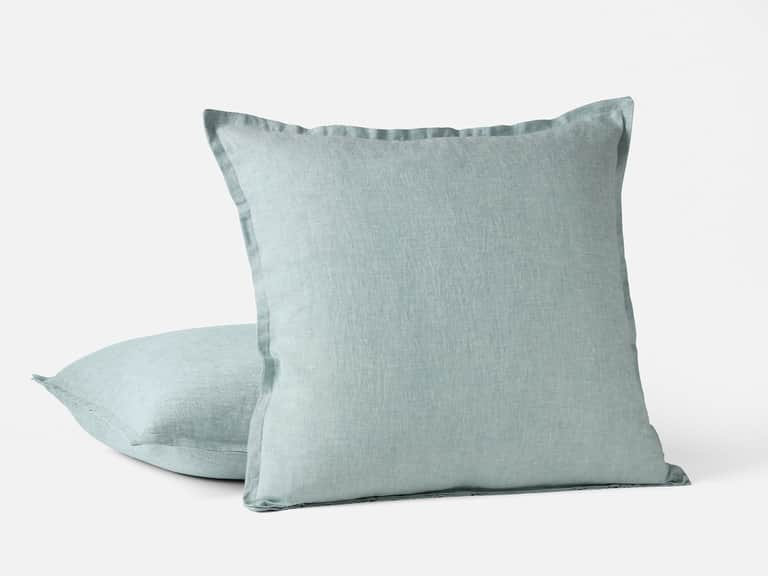
Consider how the finish aligns with your sleep preferences. If you crave a cool touch that stays crisp through the night, a stone-washed option might be your North Star. If you desire plush softness from first use and a fabric that gains character with washing, garment-washed linen can be your soulmate. Brands often reveal these choices in their product lines, sometimes through names or product photography that hints at the finish—soft, matte, airy, or cloud-like.
Care and Longevity: How Care Guidelines Shape Fabric Lifespan
Care guidelines are not merely how-to instructions; they are a blueprint for fabric longevity. Linen loves a little attention—gentle cycles, cooler wash temperatures, and line drying when possible. Yet the brands we compare approach care with nuance. Naturepedic emphasizes natural fibers and low-impact processing, Coyuchi leans into the sustainable purification and plant-based softeners, while St. Genève celebrates artisanal weaving with modern-day practicality. Reading care labels is a backstage pass to the lifetime of your bedding.
Home enthusiasts should note temperature cautions: linen appreciates cool or warm water rather than hot; chlorine bleach should be avoided; and line drying often preserves the fabric’s integrity longer than high-heat tumble drying. Each brand provides its own recommended temperatures and detergents—these little rules form the choreography of a linen-longevity routine.
Key Figures in Linen History: Three Voices Across Time
1) Procopio di Gioiano (14th Century) – The Linen Artisan
In the era when linen defined noble textiles, artisans like Procopio chronicled the early mastery of flax fiber, transforming simple stalks into textiles that carried the weight of law and luxury. His diaries speak to the tactile value of finished linen: “A fabric that breathes is not merely worn; it is a living registry of seasons.”
2) Sir Thomas Lawrence (18th Century) – The Image of Comfort
A painter of domestic sensibilities, Lawrence popularized linen as the backdrop of refined daily life. His era celebrated textiles that combined resilience with softness, a principle echoed today in modern linen: durable, breathable, and quietly luxurious—an everyday indulgence with historical roots.
3) Marie-Laure Girard (20th Century) – The Sustainable Pioneer
A textile advocate who championed organic farming and responsible dyeing, Girard’s spirit foreshadowed today’s certifications. Her writings argued that beauty is inseparable from ethics—an old-world wisdom that maps directly to GOTS and eco-conscious linen today.
Brand Comparison: Naturepedic, Coyuchi, and St. Genève — A Practical Focus
Naturepedic leans toward organic foundations and rigorous safety standards. Expect a linen offering that emphasizes earth-friendly farming, lower chemical exposure, and a commitment to longevity. Coyuchi foregrounds sustainability with a consumer-friendly, stylish approach to texture and finish—garment-washed softness hinted at in every thread. St. Genève positions itself at the intersection of traditional European craftsmanship and modern wearability, often balancing a refined artisan hand with practical care necessities.
From texture to care, the differences manifest in the feel, durability, and the narrative you assemble around your bed. If you crave a clean, contemporary aesthetic that ages with grace and aligns with eco-values, Coyuchi may be the most evocative. If you prioritize a rigorous organic pipeline and a sterile-safety-first approach, Naturepedic stands out. If you seek a timeless European pedigree with a whisper of luxury, St. Genève offers a compelling choice.
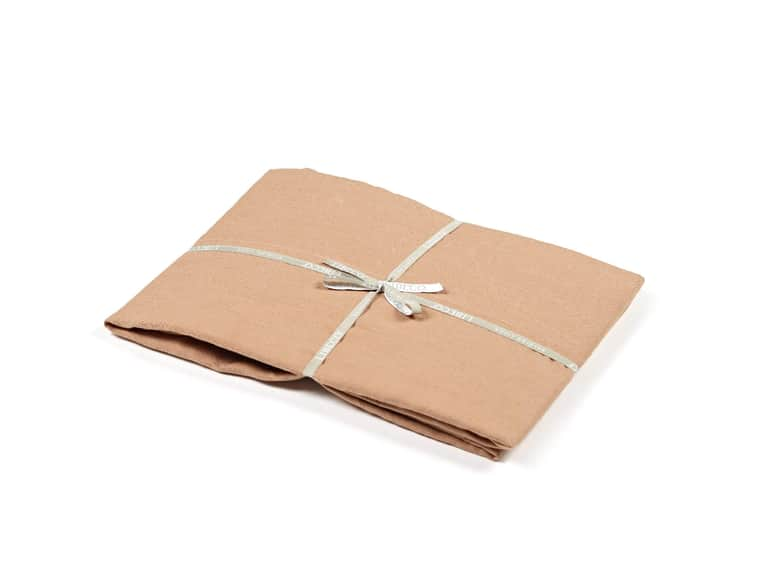
Featured Product: Madison Flatsheet (5225) in Washed Linen
A quintessential piece of this category, the Madison Flatsheet from Libeco embodies the calm confidence of Belgian linen. The sheet’s washed finish yields a tactile weight that drapes softly while remaining durable wash after wash. It’s not merely a sheet; it’s a statement of quiet luxury and practical care.
Originating from Belgium with a Belgian Linen label, this sheet carries a heritage handshake—elegant, breathable, and robust. Its 5.5 oz/yd² weight places it in that ideal mid-range for warmth without bulk, making it versatile for year-round use. Care guidance emphasizes gentle washing, line-drying when possible, and a steam-friendly iron to restore its relaxed, lived-in look.
Madison Flatsheet — 5225
Belgian Linen label • 100% linen • Washed finish
Product: Madison Flatsheet
Brand: Libeco
Origin: Belgium
Care: Wash max 40°C; line dry preferred; iron with steam on slightly damp linen
Glossary of Textile Care Terms
- GOTS: Global Organic Textile Standard, ensuring organic fiber cultivation and responsible processing.
- Belgian Linen label: A mark indicating Belgian weaving with European flax, signifying quality and origin.
- Stone-washed: A finishing process that softens fabric and creates a distinct texture.
- Garment-washed: A wash process that softens fabric and enhances a lived-in feel.
- Deep-pocket fitted sheet: A fitted sheet with an extended pocket depth to accommodate thicker mattresses.
Care Guidance: How to Keep Linen Bedding in Peak Form
To maximize the life and beauty of linen bedding from brands like Naturepedic, Coyuchi, and St. Genève, approach care as a ritual rather than a chore. Use cold or warm water, a gentle detergent, and avoid aggressive whiteners or chlorine bleach. Linen loves air drying; if you must use a dryer, select a low heat setting and remove promptly to minimize wrinkles. Ironing linen while damp yields the smoothest finish, preserving the fabric’s natural character without flattening its gentle texture.
Always follow the brand’s care instructions—these are crafted to protect the fiber, maintain color fastness, and respect the fabric’s weave. A well-cared-for linen sheet not only lasts longer but also gains softness and depth with every cycle, becoming more personal and luxurious over time.
To Learn More
Would you like a deeper dive into each brand’s philosophy, or a personalized comparison tailored to your sleep environment and climate? We can craft a side-by-side matrix detailing the exact weight, weave, and finish differences, plus care nuances for Naturepedic, Coyuchi, and St. Genève linen bedding. And if you’d like, I can assemble a concise printable quick-reference guide for your bedside table, highlighting what to look for when shopping, what to avoid, and how to care for your linen investments.